Lawrenceville Tackles Urgent Water Line Repair
Understanding Water Line Repair: Critical Points and Additional Services Offered
Comprehending water line repair is crucial for homeowners. It requires recognizing signs of issues that could lead to costly damage. Higher water bills, damp spots, and discolored water are frequent indicators of underlying issues. Professional plumbers use advanced techniques to identify these concerns accurately. They also offer a range of services beyond repairs. Investigating these aspects can help homeowners safeguard their properties and potentially extend the life of their plumbing systems. What more could be uncovered?
Common Signs of Water Line Issues
Unexpected changes in water supply often indicate that homeowners are experiencing water line issues. Typical indicators involve an abrupt rise in water bills, suggesting a leak or system failure. Moreover, residents could see soggy patches in their yard or unexpected water collection, pointing to a broken line. Brown or yellow-tinted water often suggests rust contamination or sediment disruption. Lower water pressure can also reveal defects in the system. Strange noises, such as gurgling or hissing, may be audible when using plumbing fixtures. Moreover, the presence of mold or mildew in the home can be a consequence of hidden leaks. Recognizing these symptoms early can prevent more extensive damage and costly repairs.
Causes of Water Line Issues
The integrity of plumbing systems can be compromised by multiple factors that cause water line damage. One common cause is ground movement, which can result from natural settling or seismic activity, leading to pipe misalignment or breaks. Furthermore, chemical reactions within the soil can cause corrosion that weakens pipes, especially older metal types. Another risk comes from tree root infiltration, where roots penetrate and damage go to article underground pipes while seeking water. Pipes may also freeze and burst due to extreme temperature fluctuations. Ultimately, inadequate installation methods or the use of inferior materials during original construction can result in early water line failure, making repairs or replacements necessary to restore functionality and avoid further damage.
The Water Line Repair Process
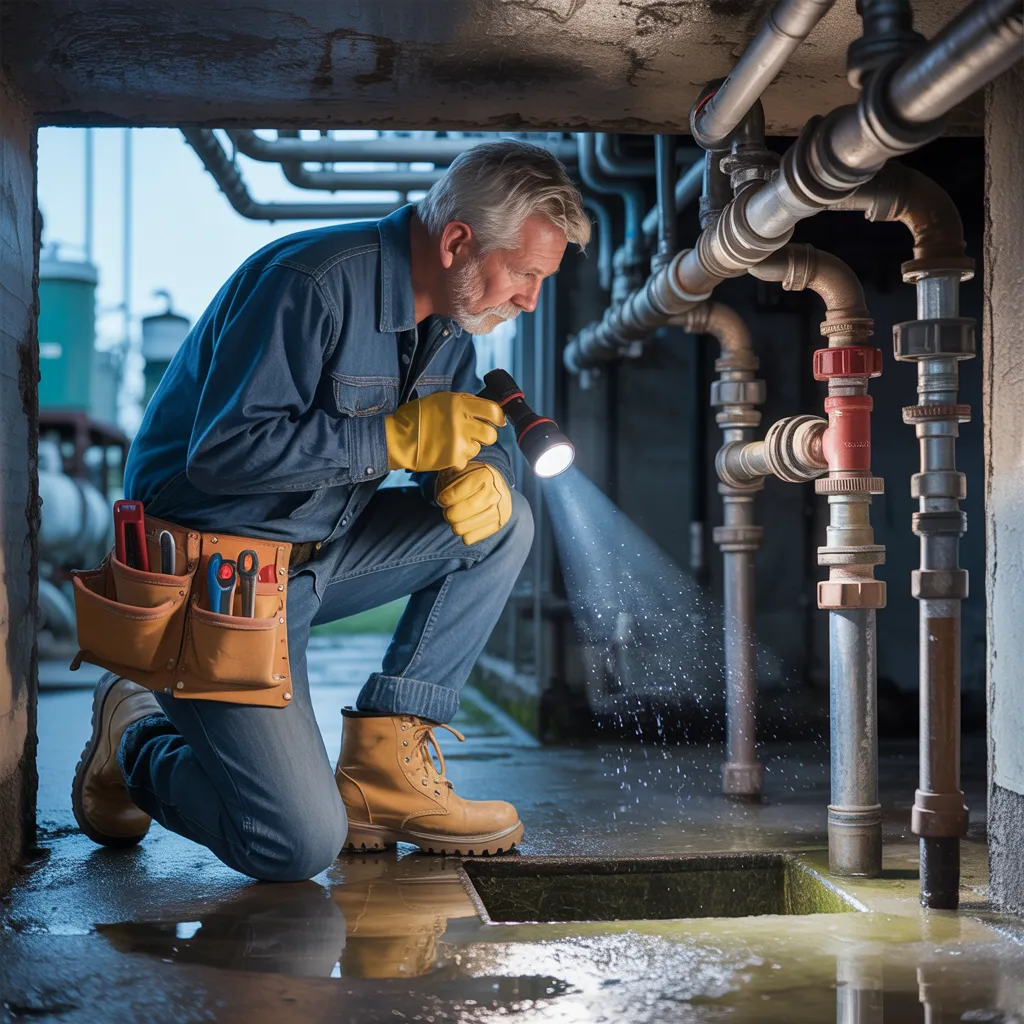
A complete understanding of the water line repair process is crucial for effectively addressing plumbing issues. Initially, a professional plumber carries out a thorough inspection to determine the damage's location and severity. This typically involves using specialized equipment, such as cameras, to evaluate the pipe's condition. Once the problem is determined, the plumber decides on the most suitable repair method, which may include patching, relining, or replacing of the affected section. The next step involves shutting off the water supply to avoid further damage. After the repair is finalized, the area is restored, guaranteeing proper function and reducing disruption. To conclude, a follow-up inspection may be conducted to verify the repair's effectiveness and guarantee continued dependability of the water line.
Value of Quick Repairs
Timely repairs of water lines play a significant role in maintaining the soundness of a plumbing system. When leaks or breaks occur, they can result in water waste, elevated utility bills, and potential damage to the surrounding infrastructure. Putting off repairs often worsens these issues, resulting in more extensive damage and higher repair costs. Additionally, untreated leaks can encourage mold growth and compromise indoor air quality, posing health risks to occupants. Swift attention to water line issues can stop minor problems from escalating into major crises, ensuring the longevity of the plumbing system. Homeowners and property managers are encouraged to inspect their water lines regularly and address any signs of trouble quickly to safeguard their properties functionality and value.
Do-It-Yourself versus Professional Repair
How can homeowners establish whether to address a water line repair themselves or hire a professional? This choice often relies on the nature of the issue and the homeowner's skill level. Simple leaks or issues in reachable areas may be doable for those with basic plumbing knowledge and tools. However, major problems, such as breaks in underground lines or extensive damage, typically require professional expertise. Homeowners should gauge their familiarity with plumbing tasks and weigh the potential risks, including further damage or high-cost repairs stemming from improper fixes. Additionally, local regulations may necessitate licensed professionals for certain plumbing work. In the end, evaluating these factors can help homeowners make an informed decision between DIY efforts and obtaining professional assistance.
Preventative Care for Water Pipes
Consistent preventive maintenance for water lines can significantly extend their lifespan and decrease the risk of costly repairs. This preventive approach involves scheduled inspections to detect potential issues such as leaks, corrosion, or blockages. Additionally, maintaining ideal water pressure and ensuring proper drainage can prevent excessive stress on the pipes. Flushing the system at intervals can eliminate sediment buildup, which may compromise water quality and flow. Homeowners are advised to monitor their water usage and look for any sudden changes, suggesting possible problems. Implementing these practices not only enhances the efficiency of the plumbing system but also promotes a healthier living environment. Ultimately, consistent maintenance serves as a safeguard against unexpected water line failures, ensuring reliable service for years to come.
Further Plumbing Services to Consider
Though proactive maintenance is essential for maintaining water lines, homeowners may also benefit from exploring numerous additional plumbing services. These services can boost overall plumbing efficiency and prevent future issues. Common offerings include drain cleaning, which clears blockages and increases water flow, and sewer line inspections that detect potential problems before they escalate. Additionally, installation of water filtration systems can better water quality, while leak detection services make certain that small issues are addressed promptly. Homeowners could also consider upgrading fixtures to more water-efficient models, reducing both water usage and utility bills. All in all, implementing these services can significantly contribute to a well-functioning plumbing system and peace of mind for homeowners.
Questions & Answers
How Much Should You Expect to Pay for Water Line Repair?
Water line repair costs typically range from $300 to $3,000, based on factors such as the level of damage, location, and the individual repairs required. Extra services can raise final expenses dramatically.
Can I Delay Repairs if Issues Seem Minor?
Delaying repairs for minor water line problems is generally inadvisable. Small problems can escalate into substantial damage, causing higher repair costs and more extensive disruptions if not dealt with promptly by a professional.
Which Materials Are Utilized for Water Line Repairs?
Standard materials employed for water line repairs include PVC, copper, and PEX pipes, combined with fittings, clamps, and sealants. Each material offers distinct characteristics, such as flexibility, durability, and resistance to corrosion, according to the application.
What Is the Typical Duration for Water Line Repairs?
Water line repair work usually takes anywhere from a couple of hours to one full day, based on the seriousness of the damage and the difficulty level of the repair needed, determining the complete duration of the project.
Are Water Line Repairs Covered by My Insurance?
Insurance protection for water line repairs varies by insurance policy and company. Homeowners need to check their personal insurance terms or consult with their representative to find out if this type of repair is included under their protection plan.